
Ear Care For Pets
Head shaking and scratching at the ears are the most common signs of discomfort that call for specialized ear treatment in dogs and cats.

Video-otoscopy and deep ear care
An ear problem is usually a symptom of something else.
Ear problems and infections are some of the most commonly observed pet health problems in the veterinary clinic. Minimal ear care is usually needed for healthy pets. When an ear problem is noticed, it is usually an indication of an underlying primary problem such as skin allergies, ear mites or thyroid problems. Less commonly, a foreign body or a mass in the ear canal may be the cause.
Almost always, ear problems result in a secondary ear infection, which needs to be resolved adequately to free your pet of discomfort and itchiness. If an infection keeps coming back, or is not resolved with initial treatment, chronic recurrent ear infections can lead to middle ear infections alongside the ongoing discomfort.
Ear care is a very specialized part of veterinary medicine that falls under the care of a veterinary dermatologist. With expertise and a keen interest in tackling ear disease, along with video-otoscopy, a deep ear cleaning and irrigation system, and in-clinic diagnostic tools, the VetDERM team is a source to consider for your pet’s ear care.
At a glance
- Video-otoscopy for deep, magnified views
- Deep ear cleaning and irrigation on site
- In-clinic cytology and diagnostics
- Middle ear assessment and flushing
- Findings documented as images for your own vet
Seeing the whole ear canal
The easy access and superior visualization afforded by our Storz video-otoscope increases the likelihood of identifying the underlying problem — or deeper complications.
Accurate diagnosis
Ruptured tympanic membranes, otitis media and inflammatory polyps become visible where a handheld otoscope cannot reach.
You see it too
Video-otoscopy allows you to view both normal and abnormal structures of the ear canal during the consultation, which makes the plan much easier to follow.
Treatment in the same visit
Deep ear cleanings for severe infection, removal of a ceruminolith, polyp or tumour removal, myringotomy and middle ear flushing.
When to ask for a dermatology referral
If your pet has been dealing with a chronic, persistent or recurrent ear infection, it is likely time to meet a veterinary dermatologist with a strong interest in ear treatment.
- Head shaking or tilting
- Scratching or rubbing at the ears
- Odour or discharge from the ear canal
- Pain when the ear is touched
- Infections that return after treatment
- Hearing changes or balance problems
Common questions
Does my pet need sedation for video-otoscopy?
It depends on the ear, the degree of pain and your pet’s temperament. We will discuss the plan with you before the appointment and arrange pre-visit calming with your own vet where it helps.
Why does the infection keep coming back?
Recurrent infection is usually a sign that the primary cause — often allergy — has not been addressed. Treating the infection alone tends to buy time rather than fix the problem.
Other services that may help
Allergy Desensitization Therapy
Allergen Specific Immunotherapy that builds tolerance over time.
Non-Allergic Skin and Ear Problems
Infections, nail conditions, hair loss, tumours and autoimmune disease.
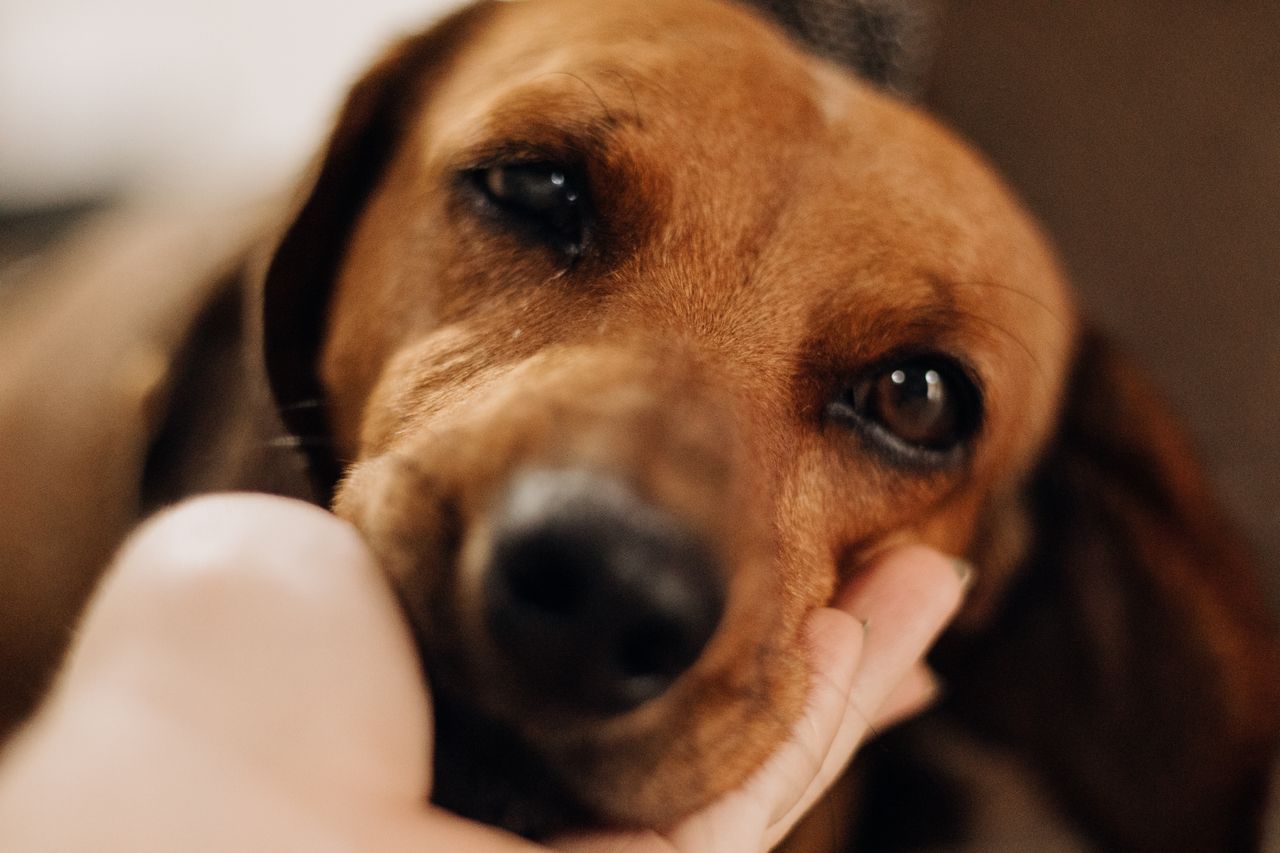
See inside the ear canal, properly.
Video-otoscopy lets us examine the full canal and eardrum, flush debris and sample for an accurate diagnosis.
Ears that keep flaring up?
Book an initial consultation and we will work it out together.