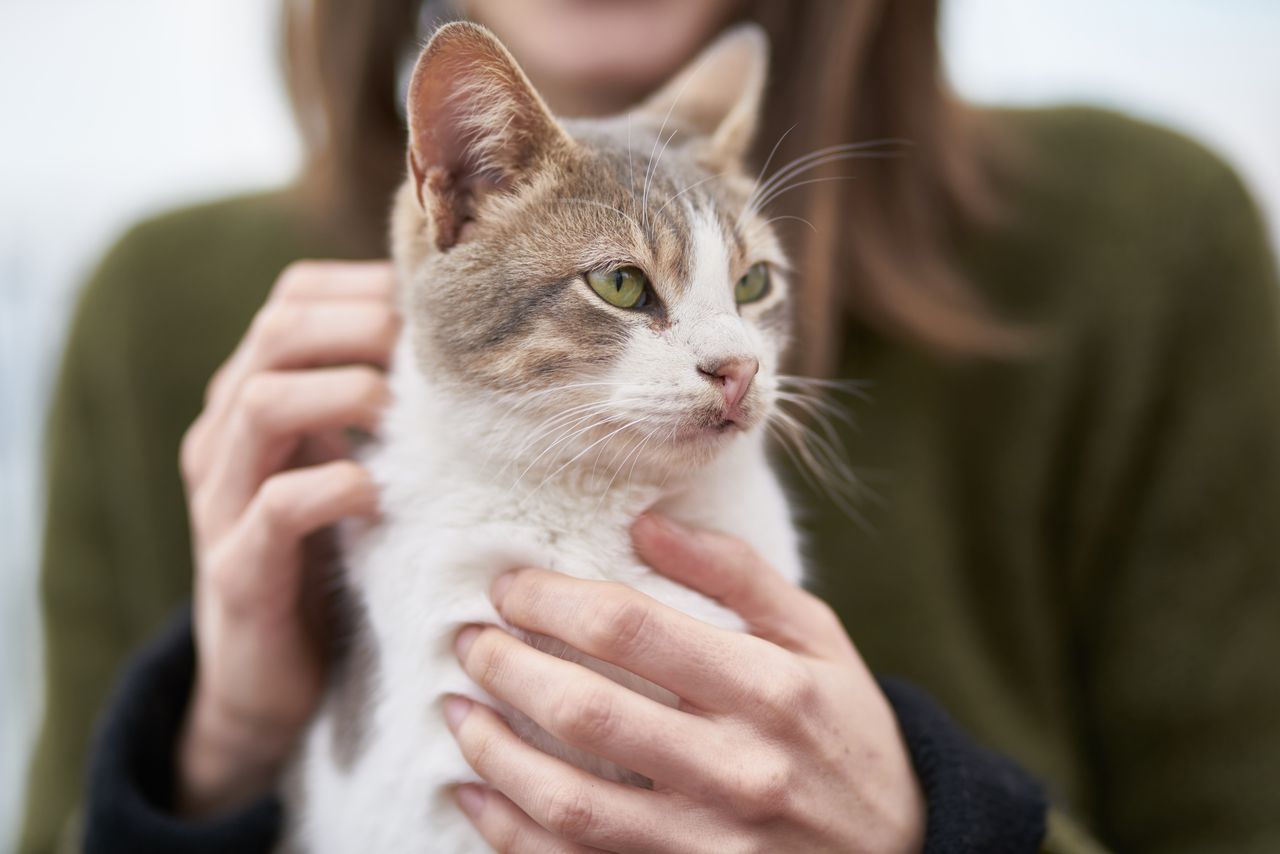

Cats groom themselves and are very clean animals. Just like humans and dogs, some cats are more aware of their cleanliness than others. Some cats are more fastidious about grooming themselves and staying in tip-top shape, while others need active ongoing grooming or care to keep their skin and hair coat in a healthy state.
Your cat may not be exactly a big fan of having you groom them, but they need your help with regular maintenance. Some cats, however, respond very well to being groomed and love the interaction with their family. But if they don’t enjoy the grooming, do your best to work with your kitty to make the experience as positive and stress-free as possible. Remember, if you or your kitty have had a bad day, it’s best to stay away from the kitty comb.
Beginners Tips on How to Groom Your Cat
Keep your kitty grooming to short 5-10-minute sessions. If your cat seems stressed, try again when they are calmer. When bathing them (yes, you may need to actually bathe your kitty in some situations) you may need some backup assistance since as we all know cats aren’t exactly fans of being drenched in water. After grooming your kitty, don’t forget to smother them with treats and lots of affection and attention to ensure they remember the activity as rewarding.
Brushing
Brushing your cat removes dirt, prevents tangles, prevents irritants, and keeps their skin clean. Gentle brushing may be regarded as a massage with multiple benefits!
Short-haired cats:
- Should be brushed once or twice per week
- Use a fine-toothed metal comb and work from their head to the tip of their tail
- Use a bristle or rubber brush to remove loose or shedding hair
- Be extra gentle on the chest and belly area
Long-haired cats:
- May need to be brushed daily
- Use a wide-toothed comb
- Comb their belly and legs to untangle knots
- Brush fur with an upward motion with a bristle or rubber brush
- Part the tail down the middle and brush the fur out on either side
- Use a toothbrush for around the face
To avoid any injury to you and your kitty, DO NOT attempt to cut out any matted parts. Cats possess a thin skin layer (the epidermis and dermis) that is easily cut in error when scissors are used to trim matted hair.
Bathing
Only give your kitty a bath when their coat becomes greasy and oily, or if they have gotten into something sticky or stinky. Be sure to use a mild shampoo specifically made for cats. When in doubt, ask your vet what they might recommend for your specific kitty.
Brush them first to remove any dead hair or matted parts. Place a rubber mat in the sink or tub for footing so they don’t slide all over the place. Then fill the sink or tub with about 3-4 inches of lukewarm water.
Use a spray-hose, pitcher, or unbreakable cup to thoroughly wet kitty, being careful not to get water in their ears, eyes, and nose. Massage your cat from head to tail with shampoo. Rinse them thoroughly using the spray-hose, pitcher, or unbreakable cup (again avoiding their ears, eyes, and nose). Then carefully pat them dry with a large towel.
If you feel uncomfortable attempting to bathe your cat, or if kitty reacts negatively to an attempt to bathe, it is likely easiest to trust the professionals and book an appointment with a cat groomer.
Hopefully, these tips help ensure that the grooming experience will be comfortable and positive for your cat and for yourself.
Creative Commons Attribution: Permission is granted to repost this article in its entirety with credit to VetDERM Clinic and a clickable link back to this page.

Dr. Jangi Bajwa is a Board certified veterinary dermatologist at VetDERM Clinic in Surrey BC. He is also the dermatology feature editor for Canadian Veterinary Journal. Dr. Bajwa’s special interests include otitis and allergic disease in pets; as well as helping improve quality of life of pets and their families.